Websites
Why Most Business Websites Underperform — Even When They Look Great
A modern website should build trust, guide decision-making, support visibility in search, and generate meaningful business growth.

A modern website should do more than look impressive.
It should build trust, guide decision-making, support visibility in search, and generate meaningful business momentum. Yet many companies invest heavily in redesigns only to discover that, despite the polished visuals, performance barely changes.
Traffic stalls. Leads stay flat. Conversion rates remain inconsistent.
The problem usually isn’t design alone. It’s the lack of strategic alignment behind the experience.
At 97 Switch, we’ve seen firsthand that the highest-performing websites aren’t simply the most visually appealing. They’re the most intentional. Every page, message, interaction, and technical decision works together to support business goals and customer behavior.
Here are some of the most common reasons business websites underperform — even when they look great.
1. Clear Messaging Gets Replaced by Cleverness
One of the biggest issues we see is messaging that prioritizes creativity over clarity.
A homepage may look modern and polished, but if visitors can’t quickly understand:
- what your business does
- who you serve
- why you’re different
- what action to take next
they’re unlikely to stay engaged.
Today’s users make decisions quickly. Confusing headlines, vague positioning, or overly abstract copy create friction immediately.
Strong websites communicate value clearly before they try to impress creatively.
That doesn’t mean brand personality disappears. It means messaging becomes intentional, grounded, and aligned with user needs.
The best-performing websites create clarity first — then build emotional connection from there.
2. Design Without Trust Signals Creates Friction
Good design can attract attention.
Trust is what creates action.
Many websites invest heavily in aesthetics while overlooking the elements that actually help users feel confident moving forward.
Trust-building components often include:
- case studies
- testimonials
- client logos
- measurable outcomes
- certifications or awards
- transparent team information
- clear contact pathways
- strategic calls-to-action
Without these signals, even visually impressive websites can feel incomplete or difficult to evaluate.
Modern customer acquisition depends heavily on credibility. People want reassurance that your business is experienced, reliable, and aligned with their goals before they take the next step.
A website should reduce uncertainty — not create more of it.
3. SEO Is Treated Like an Afterthought
Search visibility doesn’t happen by accident.
Too often, businesses approach SEO after a website is already designed and developed. At that point, critical strategic opportunities may already be missed.
High-performing websites are structured around:
- search intent
- content hierarchy
- technical performance
- metadata
- internal linking
- mobile usability
- page speed
SEO should help shape the architecture of the website from the beginning — not simply be layered on afterward.
When strategy, content, and technical execution are aligned early, websites are better positioned to attract qualified traffic and sustain long-term visibility.
That’s especially important as search continues evolving through AI-generated results and increasingly competitive digital experiences.
4. User Experience Matters More Than Visual Effects
Sophisticated animations and trendy layouts may look impressive in presentations, but they don’t automatically improve performance.
In many cases, they can actually increase friction.
Users care far more about whether a website feels intuitive:
- Can they find information quickly?
- Does navigation make sense?
- Is the mobile experience seamless?
- Are calls-to-action clear?
- Does the site load efficiently?
- Is the experience accessible?
The strongest digital experiences feel effortless.
A website should guide users naturally through decision-making without overwhelming them with unnecessary complexity.
Good user experience isn’t flashy. It’s thoughtful.
5. Websites Are Launched — But Rarely Improved
One of the biggest misconceptions in digital marketing is that a website launch marks the finish line.
In reality, strong websites evolve continuously.
Customer behavior changes. Search trends shift. Business priorities expand. What worked a year ago may not support growth today.
That’s why ongoing optimization matters.
High-performing businesses regularly evaluate:
- user behavior
- traffic quality
- conversion pathways
- heatmap insights
- landing page performance
- keyword visibility
- engagement metrics
Data helps identify friction points and opportunities that may otherwise go unnoticed.
The most effective websites are not static marketing assets. They’re living business tools designed to improve over time.
Great Websites Don’t Just Look Modern — They Create Momentum
Visual design absolutely matters. First impressions influence credibility, trust, and perception.
But aesthetics alone rarely drive meaningful business growth.
The websites that consistently perform well are strategically connected across:
- messaging
- user experience
- SEO
- trust-building
- data
- conversion strategy
Every component works together to support a larger business objective.
At 97 Switch, we believe thoughtful digital experiences should do more than look polished. They should generate clarity, trust, and long-term momentum for your business.
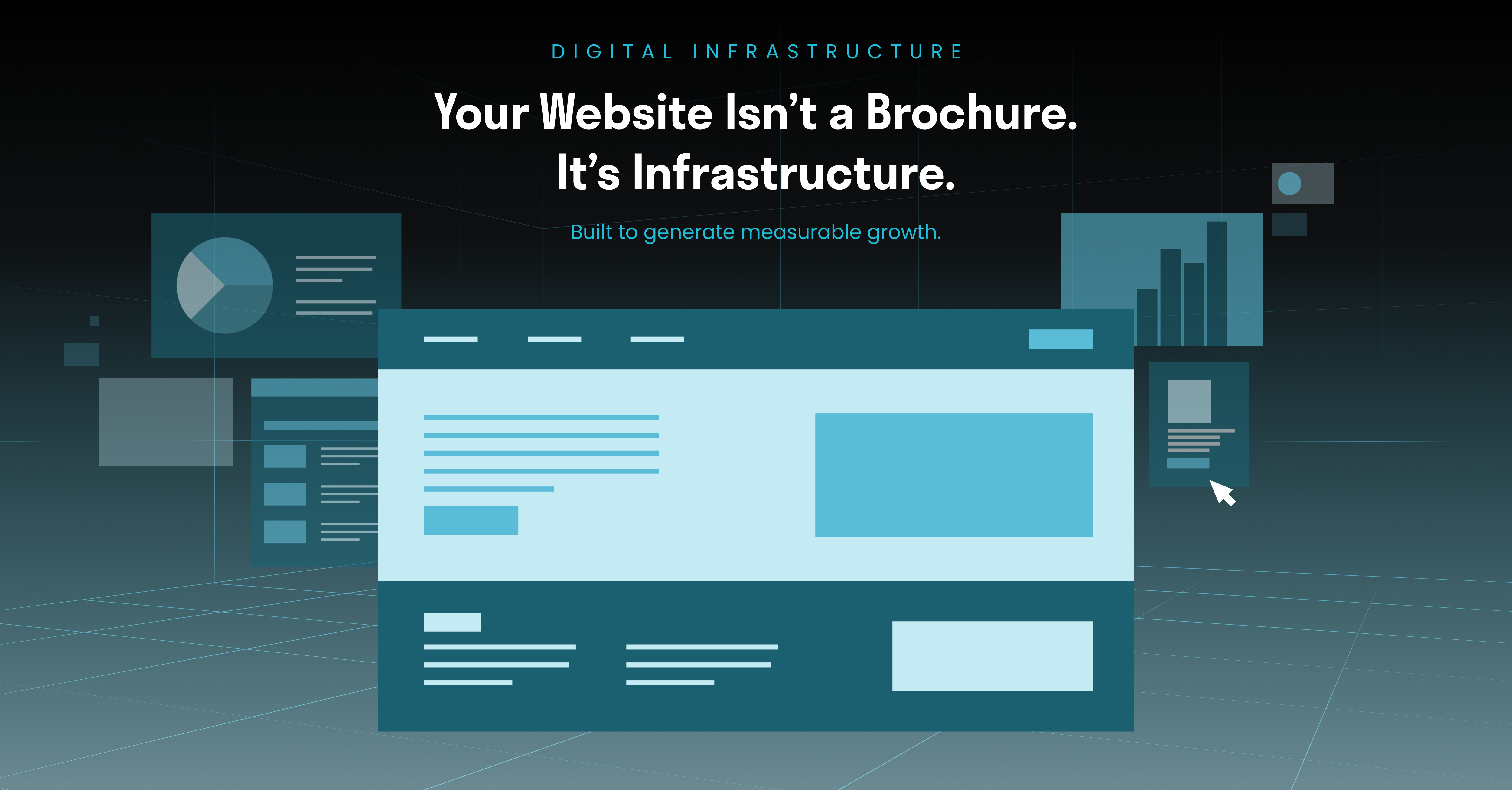
Because when strategy and execution are fully synced, websites stop functioning like digital brochures — and start becoming growth engines.
Is Your Website Actually Supporting Growth?
If your website looks strong visually but isn’t generating the results you expected, it may be time for a deeper strategic evaluation.
Connect with 97 Switch for a website strategy session to uncover opportunities to improve performance, reduce friction, and create a more effective digital experience.